Branding Timeline: How Long a Brand Identity Really Takes
How long a brand identity takes: 2–3 weeks for an identity, 1–2 for a logo, 3–4 for a rebrand, a week-by-week plan, two projects that ran longer, and what comes after.

Summarize with AI
Key takeaways
- A full brand identity with me takes 2–3 weeks from kickoff to handover. A logo takes 1–2 weeks, a rebrand 3–4 weeks, and the Premium package (identity, AI-ready brand system and website design) 4–6 weeks.
- Longer quotes elsewhere usually mean a bigger scope or slower decisions: how much is included, how many people approve it and how fast feedback comes back.
- Scope moves the date more than anything else. Adding an app, a design system or a website turns a three-week identity into a two- or three-month project, as two of my own projects show.
- The design isn’t the end of the timeline. Trademark registration, the website build, printing and rollout come after handover, and some take months.
- To plan a launch, count backwards: rollout, then handover, then the project, then the free call and proposal.
A brand identity takes 2 to 3 weeks with me, from kickoff to the handover of the logo system, color, type, imagery, voice and brand guidelines. That timeline assumes a fixed scope agreed in a written proposal, one decision-maker on your side and feedback at each weekly check-in. Larger scopes take longer: a rebrand takes 3 to 4 weeks, and a project that also designs an app or a website can run to two or three months.
I’m Masuder Rahaman, a brand designer and the founder of Wolfpixel, where I lead the design team. Most articles on this question give a wide industry range and stop there. Below are the timelines I actually work to for every service I offer, the week-by-week plan for a brand identity, two real projects that took much longer and why, and the steps that come after the design is finished.
How long does each branding service take?
These are the standard timelines for each service, from kickoff (after the proposal is signed and the first payment is made) to the handover of the final files.
| Service | Timeline | Revisions |
|---|---|---|
| Logo design | 1–2 weeks | 3 revision rounds |
| Logo refinement | 1–2 weeks | 3 revision rounds |
| Brand naming | 1–2 weeks | 3 revision rounds |
| Brand guidelines | 1–2 weeks | 3 revision rounds |
| Bilingual logo design | 1–2 weeks | 3 revision rounds |
| Brand identity | 2–3 weeks | Unlimited within the agreed scope |
| Brand refresh | 2–3 weeks | 3 revision rounds |
| Brand strategy | 2–3 weeks | 3 revision rounds |
| AI-ready brand system | 2–3 weeks | 3 revision rounds |
| Personal branding | 2–3 weeks | 3 revision rounds |
| Packaging design | 2–4 weeks | 3 revision rounds |
| Rebranding | 3–4 weeks | Unlimited within the agreed scope |
| Premium package (brand identity, AI-ready brand system and website design) | 4–6 weeks | Unlimited within the agreed scope |
A few things this table means in practice:
- “Unlimited revisions” isn’t unlimited scope. It means changes to the agreed deliverables until you approve them. A new deliverable is a change of scope, and a change of scope changes the date.
- Services add up when they run in sequence. If you need a name first, naming (1–2 weeks) runs before the identity (2–3 weeks), because the logo is designed around the name.
- Website design isn’t a website build. The Premium package designs your website in Figma. Your developer builds it afterward, on their own schedule. For why the identity should be settled before web design starts, see brand identity before web design.
Why do agency timelines look longer?
If you’ve read other guides, you’ll have seen ranges measured in months rather than weeks. Those ranges aren’t wrong; they describe different projects. Three things explain most of the gap:
- Scope. Many agency projects include research interviews, naming, messaging, photography or a website inside “brand identity.” Each of those adds weeks. My brand identity covers strategy and positioning, the logo system, color, typography, imagery, icons, voice and guidelines, and quotes everything else separately.
- Approvals. A founder and a co-founder can approve a direction in a day. A board, a marketing team and a regional office can take two weeks. The design work is the same; the waiting isn’t.
- Feedback speed. Slow or scattered feedback is one of the most common causes of delay. A weekly check-in with one combined set of comments keeps a project to its schedule.
The honest summary: a short timeline depends on a clear scope and a client who can decide. Without both, any provider’s estimate stretches.
What happens in each week of a brand identity?
My process has four stages: Discovery, Strategy, Identity, and System and handover. On a three-week brand identity, it usually runs like this:
| When | What happens | What you do |
|---|---|---|
| Before kickoff: free call and proposal | A 30-minute call in your time zone, then a fixed written proposal with one price, one timeline and a list of deliverables | Share your goals, deadline and current materials; approve the proposal and pay the first 50% |
| Week 1: Discovery and strategy | An audit of your current brand, market and competitor research, then positioning and creative directions | Answer the discovery questions, send competitor and reference examples, choose a direction |
| Week 2: Identity | Logo concepts and the visual identity shown on real uses, then refinement with you | Give one combined set of feedback at the weekly check-in |
| Week 3: System and handover | The final logo set, color, type, imagery and voice, written down in brand guidelines | Approve the final files and pay the second 50% before the final files are handed over |
You receive the brand guidelines as PDF, PowerPoint and Illustrator files, plus a Figma library with the source files, and you own all of the final files.
On a two-week project, Discovery and Strategy are shorter because the brief is already clear. On a four-week rebrand, the audit is deeper, because there’s an existing brand to assess and decisions to make about what to keep.
Why did two of my projects take two and three months?
Standard timelines describe standard scopes. Here are two of my projects where the scope was larger, with their real durations.
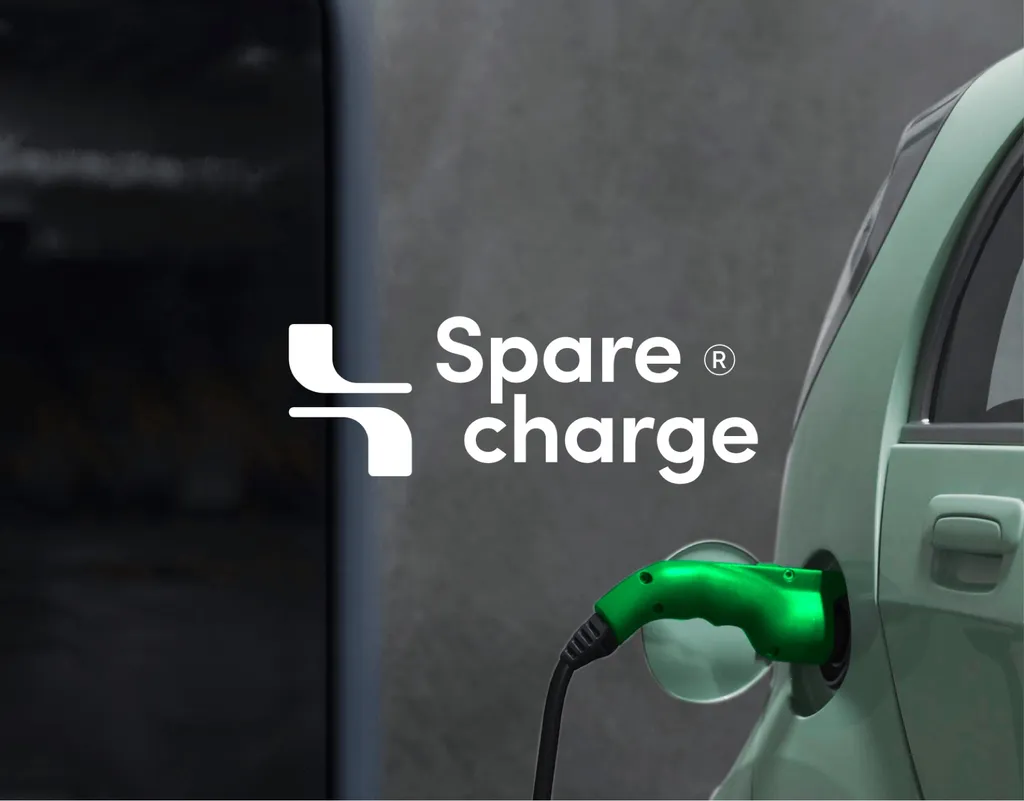
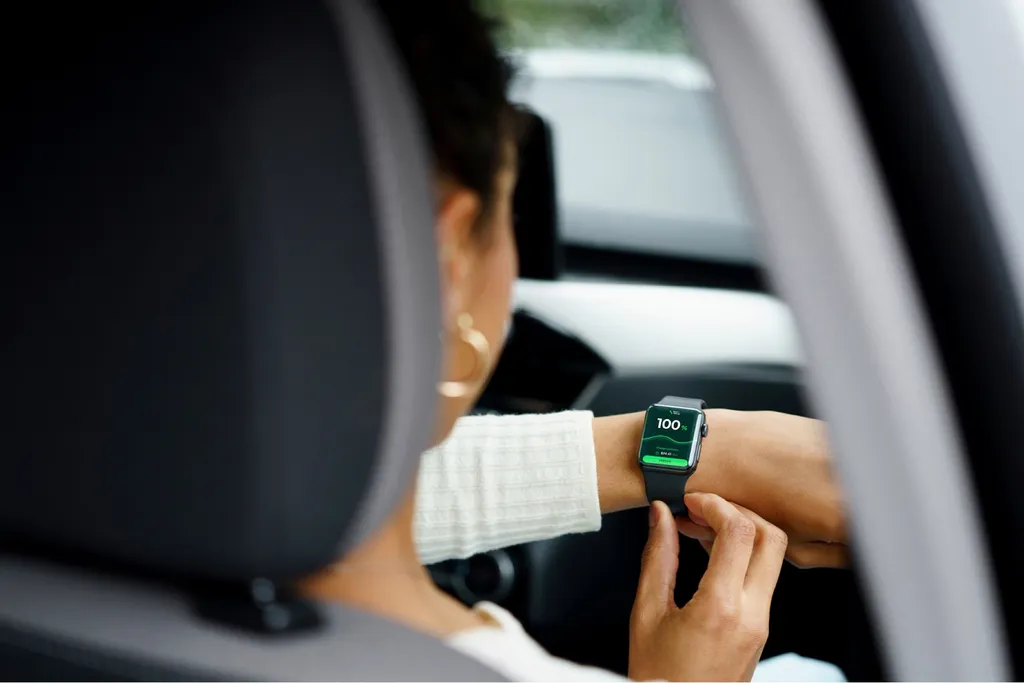
SpareCharge: 8 weeks. SpareCharge is a peer-to-peer EV charging app. The project covered the brand, the product UI and a design system, across a mobile app, a smartwatch companion and the screen on the charger itself. The brand was one part of it; the rest was product design: the screens drivers and charger owners use, built on the same system as the brand.
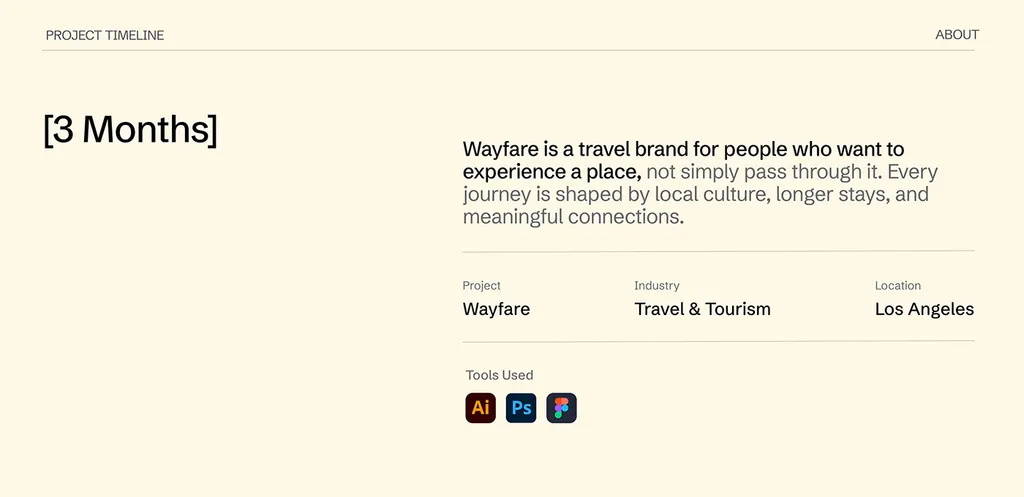
Wayfare: 3 months. Wayfare is a travel agency brand. Its scope was strategy, identity and the website together. The website is what made it a three-month project rather than a three-week one.
The lesson for planning: when a provider gives you a timeline, check what’s inside it. “Brand identity in three weeks” and “brand and app in eight weeks” can both be accurate.
What slows a branding project down?
From the client side, the same few things delay most projects:
- Too many decision-makers. Name one person who approves each stage. Others can give input, but through that person.
- Feedback in pieces. Three emails from three people on three days cost more time than one combined list.
- Changing the brief midway. A new audience, product or market after the strategy is agreed sends the project back a stage.
- Waiting for content. Real copy, product photos and team names make the identity better. Have them ready before week 2.
- Late name or trademark checks. If you’re unsure the name is available, check it before the identity starts, not after the logo is approved.
- Adding deliverables during the project. A new item is a scope change. It may be worth it, but it moves the date.
How can you speed up a brand identity?
- Come to the first call with a clear brief: what you sell, to whom, against which competitors, and your deadline.
- Book the weekly check-ins at the start, so feedback never waits for a free slot.
- Decide within the week. The schedule assumes each stage gets an answer at its check-in.
- Keep the first scope small. Many startups begin with a logo and grow into a full identity later. My guide to logo, identity or guidelines explains which one you need now.
- Ask about rush delivery. A faster timeline is possible; the fee depends on how much faster, and it’s quoted before you commit. Standard timelines have no extra charge.
What happens after handover, and how long does it take?
The identity is finished at handover, but your launch usually isn’t. Plan for these too:
| After handover | Who does it | How long to allow |
|---|---|---|
| Trademark registration | Your trademark lawyer files it; I hand over clean final files for the application | In the UK, GOV.UK says registration usually takes around 3 to 4 months if there are no issues, and the IPO’s timeline includes a 2-month publication period. In Saudi Arabia, SAIP lists a 90-day execution time for its trademark registration service, and its steps include a 60-day publication period. In the US and the UAE, check the current processing times with the USPTO or the Ministry of Economy and Tourism. |
| Website build | Your developer (website design is part of the Premium package; the build isn’t) | Depends on the site and the developer; agree it with them before the identity is finished |
| Printing and signage | Your printer or sign maker | Ask your suppliers for their lead times and proof rounds |
| Rollout | Your team | Replace old files in templates, email signatures, social profiles and shared drives on launch day |
You can use your new logo while the trademark application is pending. Registration protects it more securely, which is why it’s worth filing as soon as the logo is final. My brand identity deliverables checklist lists everything you should receive at handover.
Trademark timings are general information from the offices’ own pages, not legal advice.
How do you plan a branding project around a launch date?
Count backwards from the day the brand has to be public:
- Launch day. The brand is on your website, product and social profiles.
- Rollout and build. Leave time for your developer and printers to work with the final files.
- Handover. This is when the project ends and the final files are yours.
- The project itself. 1–6 weeks, depending on the scope in the table above.
- The free call and proposal. Usually a few days, depending on when you book.
If you’re raising money, the deck often needs the new brand first. Branding before a seed round covers what to do first when the timeline is tight.
How I can help
If you have a launch date, a raise or a rebrand coming up, book a free 30-minute call in your time zone. I’ll tell you which scope fits your deadline, what can wait until later, and whether the date is realistic. You’ll get a fixed written proposal with one price, one timeline and a clear list of deliverables, and the price doesn’t change mid-project. The logo package is $999, the brand identity $3,499 and the Premium package $6,999; see the pricing page.
FAQ
How long does it take to create a brand identity?
With me, a full brand identity takes 2 to 3 weeks from kickoff to handover, with weekly check-ins and unlimited revisions within the agreed scope. It includes strategy and positioning, the logo system, color, typography, imagery, voice and brand guidelines.
How long does it take to build a brand?
The identity takes weeks: 2 to 3 for a full brand identity with me. Building the brand people recognize takes much longer, because recognition comes from using that identity the same way, everywhere, for months and years. The design work is the start of that, not the end.
How long does logo design take?
A logo project takes 1 to 2 weeks: three concepts, three revision rounds and files for web and print.
How long does a rebrand take?
A rebrand takes 3 to 4 weeks, longer than a new identity because the existing brand is audited first and the team decides what to keep. A brand refresh, which keeps the name and strategy, takes 2 to 3 weeks.
Can a brand identity be done in one week?
A logo can, sometimes, with a clear brief and quick decisions. A full identity in one week usually means cutting discovery and strategy, which is where the identity gets its direction. If the deadline is fixed, rush delivery is possible for an extra fee that’s quoted first, or you can start with a logo and add the rest later.
Why do some agencies quote 3 to 6 months?
Because their scope is larger or their approvals take longer: research interviews, naming, messaging, photography, a website, or several layers of sign-off. Compare what’s included, not just the number of weeks.
Does the timeline include trademark registration or a website?
No. Trademark filing is done by your lawyer after handover and can take months. Website design is included only in the Premium package, and the website build is done by your developer afterward.
Sources